



.svg) Entre em contato
Entre em contatoSoluções
Direitos autorais © 2025 Active Tagging Limited
A Xtag Medical e as marcas associadas fazem parte da Active Tagging Limited. Registrado na Inglaterra. Número de registro 6071636. N.º de IVA 902605849.

In NHS and care settings, patient absconding refers to a situation where a patient leaves a ward, department, or care facility without authorisation.

Patient absconding is a serious and often underestimated risk across the NHS and UK care facilities. While incidents are relatively infrequent, the consequences can be severe - for patients, staff, and Trust governance.
As healthcare environments become more open and patient-centred, NHS Trusts, Mental Health Services, and Care Providers are increasingly reviewing how they identify, manage, and prevent patient absconding without restricting clinical care.
This article explains what patient absconding is, why it happens, the risks involved, and how UK healthcare organisations are working to reduce it.
In NHS and care settings, patient absconding refers to a situation where a patient leaves a ward, department, or care facility without authorisation and without clinical agreement, placing themselves or others at risk.
It is sometimes also referred to as:
Absconding can occur across a wide range of settings, including:
While any patient may abscond, NHS incident data and safeguarding reviews show higher risk among patients who:
These patients may not fully understand the risks of leaving a clinical environment unsupervised.
Patient absconding is not just an operational issue - it is a patient safety and safeguarding risk with potentially serious outcomes.
From a regulatory perspective, absconding incidents often trigger:
Understanding why absconding occurs is essential to prevention. Common contributing factors include:
Large, open hospital layouts with multiple exits can make it difficult to monitor patient movement.
Busy wards and reduced observation capacity can limit staff ability to detect early warning signs.
Paper-based checks and intermittent observation leave gaps in awareness.
In many settings, staff only become aware of an absconding incident after a patient has already left the ward.
Across the NHS and care sector, best practice focuses on layered prevention, combining clinical judgement, environmental controls, and supportive technology.
Increasingly, Trusts are recognising that technology can support staff by providing early warnings - not replacing clinical care, but enhancing situational awareness.
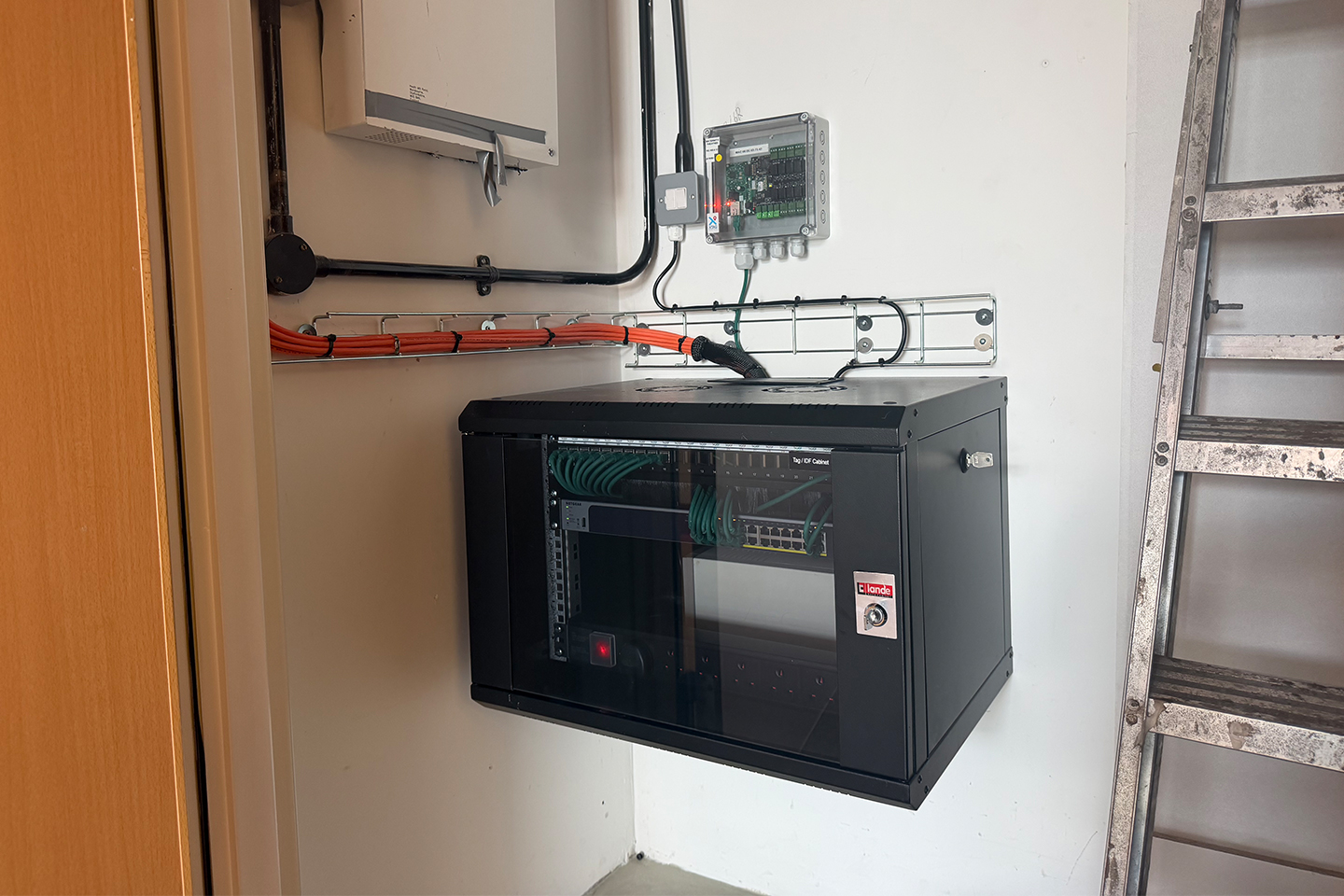
Modern patient absconding prevention systems are designed to alert staff when a high-risk patient approaches or passes through a monitored exit.
When implemented correctly, these systems:
Some NHS Trusts already use wearable patient tags linked to exit monitoring systems — similar to those used in maternity and paediatric safeguarding — adapted for adult and mental health environments.
Learn how patient movement monitoring works → Xtag Patient Absconding Prevention System.
One of the key concerns NHS leaders raise is maintaining therapeutic, non-restrictive environments. Any absconding prevention approach must:
Well-designed systems operate quietly in the background, only drawing attention when intervention may be required.
From a governance perspective, patient absconding prevention supports:
Having clear processes - supported by reliable systems - also strengthens post-incident review and learning.
As NHS services continue to evolve, the focus is shifting from reactive incident response to proactive risk reduction.
Preventing patient absconding is not about creating locked-down environments — it is about:
Solutions like Xtag’s patient absconding prevention system are increasingly being considered as part of wider patient safety and safeguarding strategies, particularly where Trusts already use tagging technology in other clinical areas.
Patient absconding remains a complex challenge across NHS and UK care settings - but it is one that can be significantly reduced through clear protocols, staff awareness, and supportive technology.
By taking a balanced, patient-centred approach, healthcare organisations can improve safety outcomes while maintaining compassionate care environments.


.svg)

.svg)
.svg)


.svg)
