



.svg) ابق على اتصال
ابق على اتصالحلول
حقوق النشر © 2024 شركة العلامات النشطة المحدودة
تعد Xtag Medical والعلامات التجارية المرتبطة بها جزءًا من Active Tagging Limited. مسجل في إنجلترا. رقم التسجيل 6071636. رقم ضريبة القيمة المضافة 902605849.

Learn how infant security and protection systems help prevent abduction, support safeguarding, and reassure families.
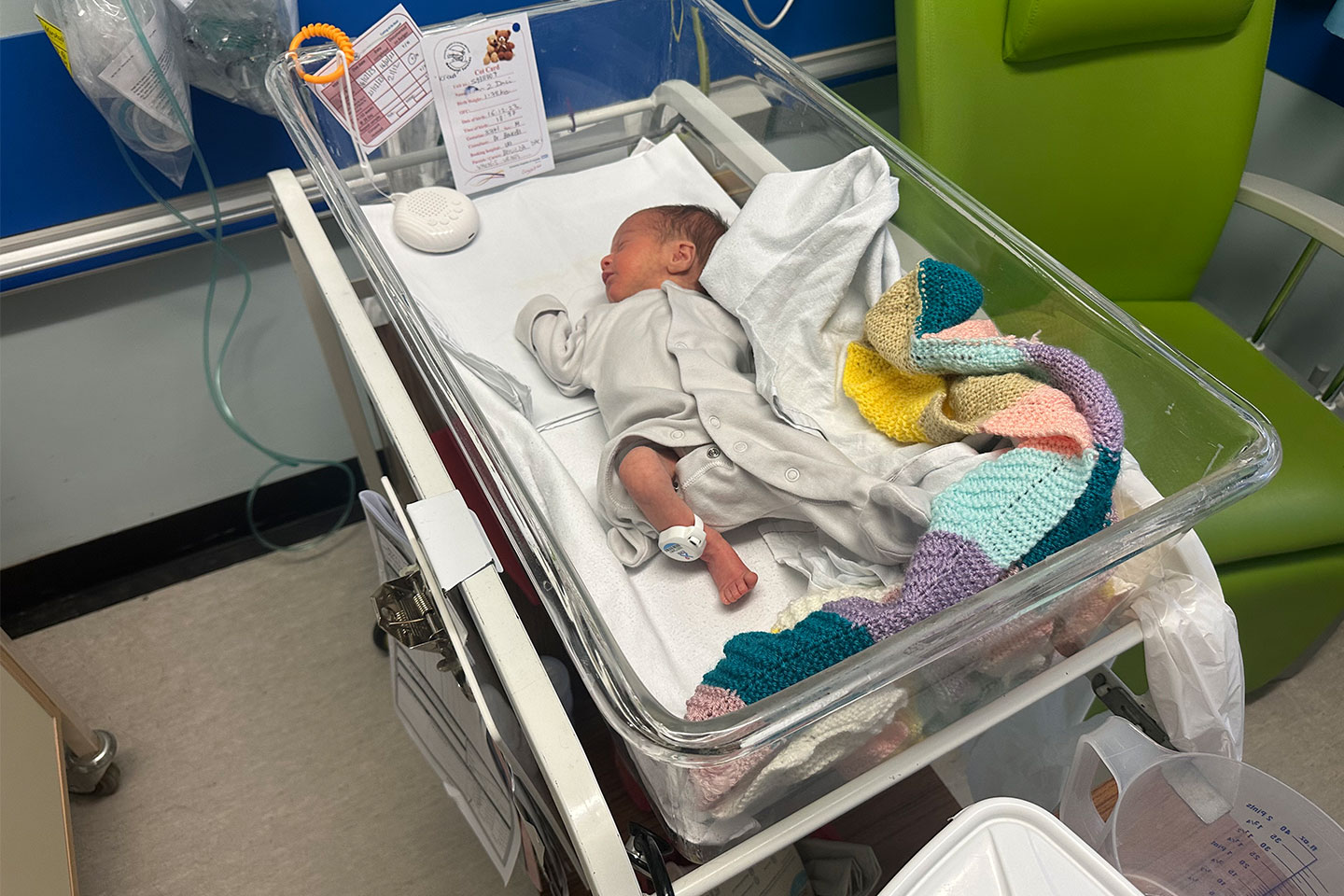
Across the NHS and healthcare systems worldwide, maternity units are designed to be open, welcoming environments for families. But alongside compassionate care comes a fundamental responsibility: keeping newborn babies safe.
This is why many hospitals use baby tagging systems - also known as infant security systems or infant protection systems as part of their maternity safeguarding strategy.
The potential impact of an abudction from a maternity hospitalm is significant. As a result, healthcare providers increasingly adopt proactive measures to protect newborns, support staff, and strengthen governance.
A baby tagging system is a specialist clinical security solution that helps prevent the unauthorised removal of newborn babies from maternity wards.
The system typically involves:
These systems are widely used across NHS Trusts, private hospitals, and international healthcare settings.
Learn more about how baby tagging works → XTAG Baby Tagging System.
Infant abduction incidents are fairly uncommon in the UK, but NHS Trusts still plan for high-impact, low-frequency events, and not all abduction attempt are stranger-related, many abduction attempts are family-related which are more common.
A single incident can have:
Baby tagging systems provide an additional layer of protection, ensuring that if a baby is moved inappropriately, staff are alerted immediately.
Hospitals have a legal and ethical duty to protect vulnerable patients - and newborn babies are among the most vulnerable.
Infant security systems support:
For leadership teams, these systems demonstrate a proactive safeguarding approach, rather than reactive incident management.
While baby tagging systems are not mandated nationally, many hospitals adopt them to align with expectations from:
CQC inspections frequently examine how well organisations identify and mitigate risks - particularly in environments caring for vulnerable patients.
Having an infant protection system in place provides clear, auditable evidence of risk mitigation.
Historically, maternity security relied heavily on:
However, modern maternity services are busier and more complex, often with:
Baby tagging systems provide automated monitoring, reducing the burden on clinical teams while improving situational awareness.
One of the biggest benefits of infant protection systems is instant visibility.
If a tagged baby approaches an exit:
This enables a faster, more coordinated response compared to manual escalation pathways.
For many parents, simply knowing that security measures are in place offers reassurance during an already emotional time.
Hospitals often highlight infant security systems in:
This transparency helps build trust and confidence in the safety of the maternity environment.
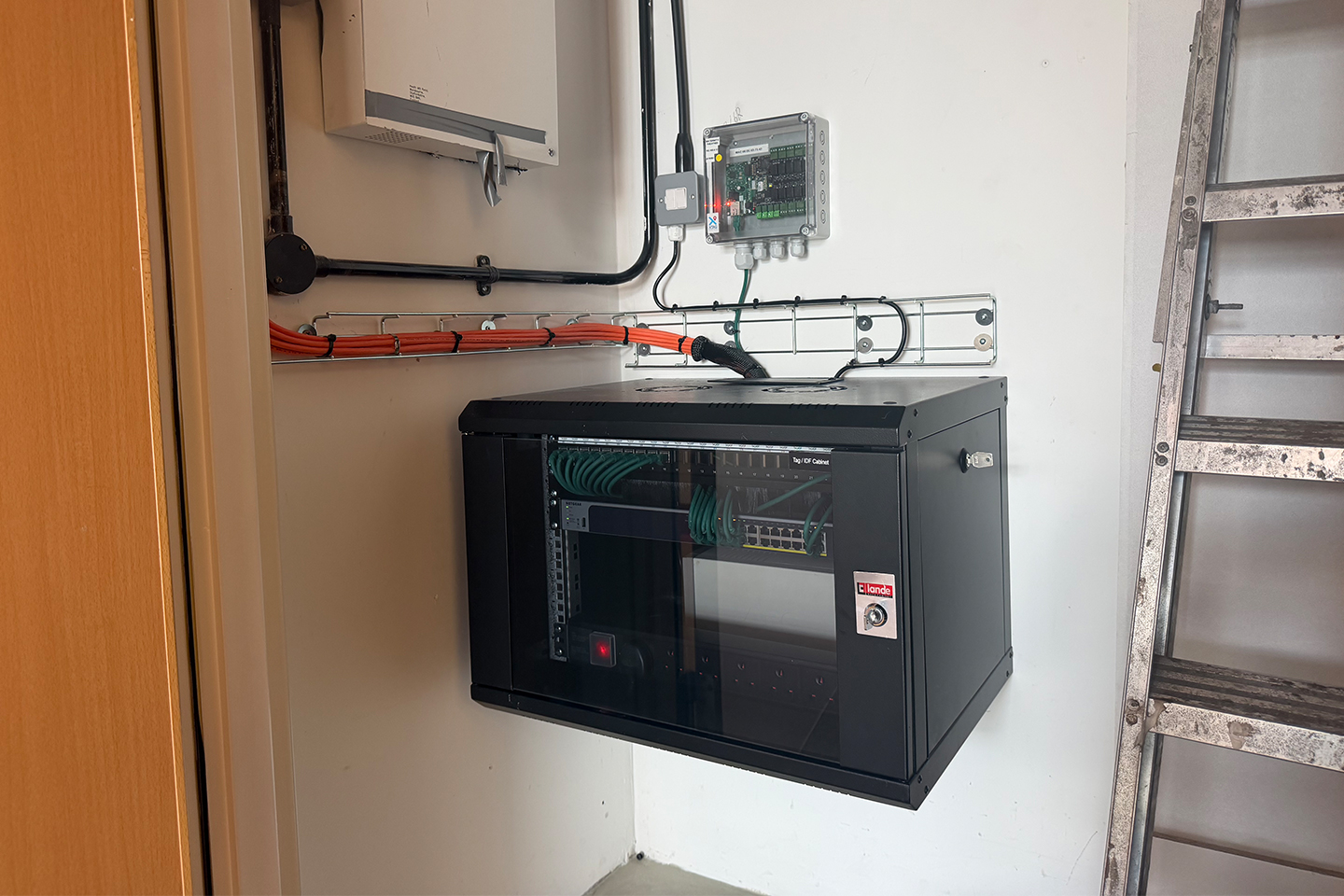
Today’s infant protection systems are rarely standalone solutions. Many integrate with wider hospital infrastructure, including:
Some healthcare providers also use similar tagging technology in:
This creates consistency across safeguarding strategies.
When evaluating infant security systems, NHS decision-makers typically prioritise:
Solutions like those from Xtag Medical are designed specifically for healthcare environments, focusing on clinical usability, dependable alerts, and strong aftercare support.
While not universally mandated, baby tagging systems are becoming increasingly common - particularly in:
For many hospitals, these systems are now viewed as a proportionate, preventative measure, rather than an optional extra.
Hospitals use baby tagging systems for a simple reason: to add an extra layer of protection around the most vulnerable patients in their care.
By combining:
Healthcare organisations can create maternity environments that are both safe and compassionate.
Whether referred to as baby tagging, infant security, or infant protection systems, the goal remains the same: ensuring every newborn remains safe from birth to discharge.


.svg)

.svg)
.svg)


.svg)
