



.svg) ابق على اتصال
ابق على اتصالحلول
حقوق النشر © 2024 شركة العلامات النشطة المحدودة
تعد Xtag Medical والعلامات التجارية المرتبطة بها جزءًا من Active Tagging Limited. مسجل في إنجلترا. رقم التسجيل 6071636. رقم ضريبة القيمة المضافة 902605849.

Learn how care homes and mental health facilities prevent vulnerable patients from absconding using risk assessments, staff protocols, secure design, and monitoring technology.

Preventing vulnerable patients from leaving care environments without supervision is a key responsibility for care homes and mental health facilities across the UK. While healthcare settings are designed to promote independence and dignity, providers must also ensure that residents and patients who may be confused, distressed, or at risk remain safe.
Patient absconding - sometimes referred to as unauthorised exiting, wandering, or elopement can present serious safeguarding risks. As a result, many organisations adopt a combination of care protocols, environmental design, staff awareness, and technology to prevent vulnerable patients from leaving facilities unnoticed.
This article explores the practical steps care providers take to prevent patients from absconding, while still maintaining compassionate and person-centred care.
In care homes, dementia care facilities, and mental health services, patient absconding occurs when a resident or patient leaves a ward, building, or secure area without staff knowledge or permission.
Patients most at risk of leaving or wandering may include those who:
If a vulnerable individual exits a facility unnoticed, they may face dangers such as traffic, extreme weather, or becoming lost.
For this reason, preventing unauthorised exiting is an important part of safeguarding, duty of care, and risk management.
One of the most effective ways to prevent patients from absconding is through clear and regularly reviewed risk assessments.
Care providers assess whether individuals may be at risk of leaving unsupervised by considering factors such as:
Once identified, higher-risk patients can receive additional support and monitoring.
Staff training plays a crucial role in preventing absconding incidents.
Care teams are often trained to recognise early behavioural signs that a patient may attempt to leave, including:
By recognising these signals early, staff can intervene calmly and redirect patients before they attempt to exit the building.
Physical design can also help prevent vulnerable patients from leaving care environments unintentionally.
Common environmental measures include:
The goal is to prevent unsupervised exiting while maintaining a comfortable and non-restrictive environment.
Care homes and mental health facilities typically have visitor sign-in procedures and monitored access points to reduce the risk of unauthorised entry or exit.
This may involve:
These measures help ensure staff remain aware of movement in and out of the facility.
In recent years, many healthcare providers have begun using patient monitoring and alert systems to help prevent vulnerable patients from leaving facilities undetected.
These systems can provide real-time alerts when a high-risk resident approaches or attempts to exit through monitored doors.
For example, wearable patient tags linked to door monitoring systems can alert staff if a resident moves toward an exit without supervision.
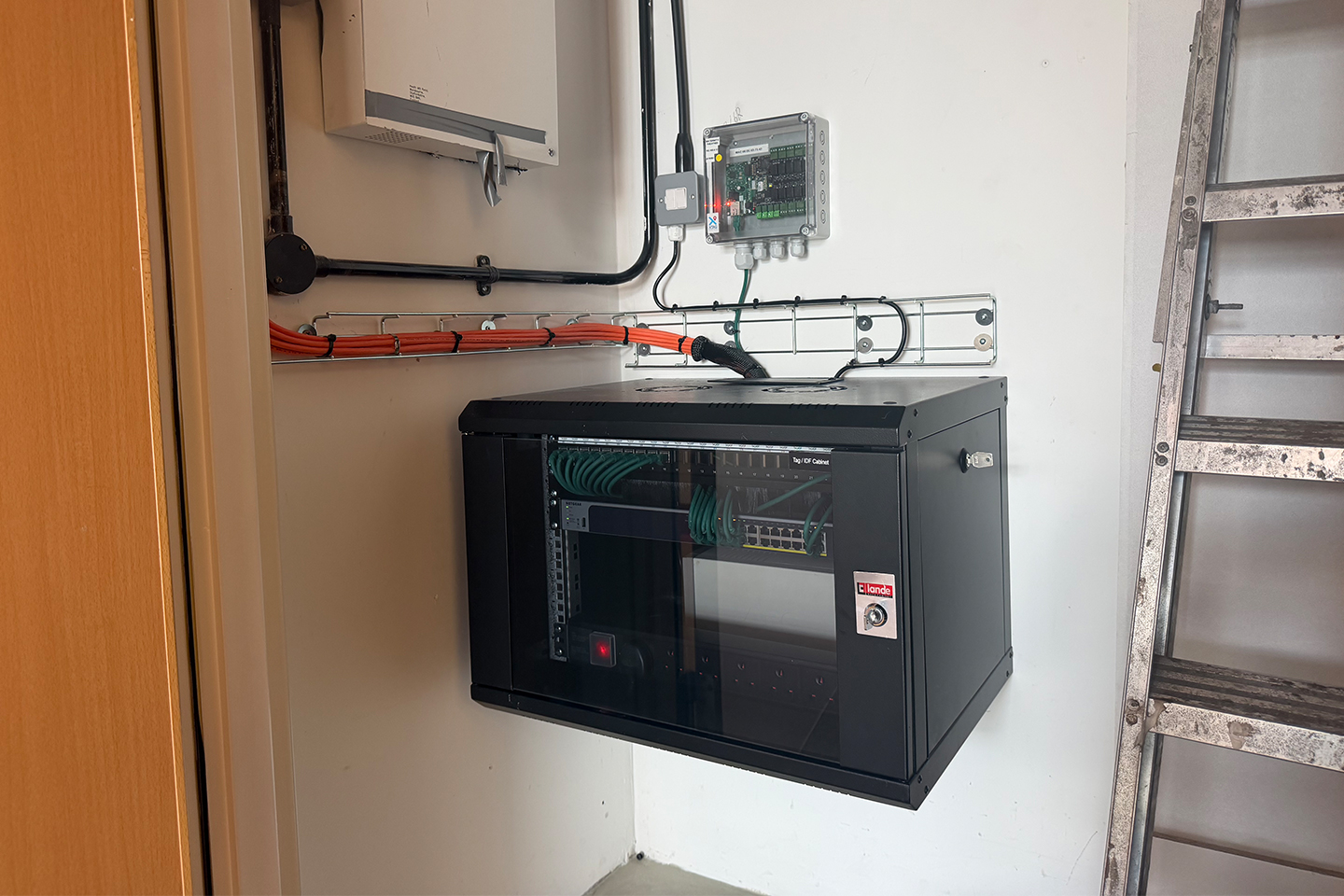
Solutions such as the Xtag patient absconding prevention system are designed specifically for care homes, dementia care environments, and mental health facilities. The system helps staff identify when a vulnerable patient approaches an exit and provides an immediate alert so teams can respond quickly.
By providing an additional safety layer, these systems help reduce reliance on constant manual observation.
Even with preventative measures in place, care providers must be prepared to respond quickly if a patient attempts to leave.
Facilities often implement clear escalation procedures that include:
Having well-practised response protocols ensures any incident can be managed quickly and safely.
One of the biggest challenges for care providers is balancing patient safety with dignity and independence.
Modern approaches focus on preventing vulnerable patients from leaving unsupervised without creating restrictive or institutional environments. By combining:
facilities can significantly reduce the risk of absconding incidents.
Systems such as those developed by Xtag Medical are increasingly used to support this balanced approach, helping care teams maintain visibility of vulnerable residents while allowing them freedom within safe boundaries.
Preventing patients from absconding is rarely achieved through a single measure. Instead, the most effective care environments adopt a layered safety approach, combining:
By taking a proactive approach, care homes and mental health services can help ensure vulnerable patients remain safe, supported, and protected at all times.


.svg)

.svg)
.svg)


.svg)
