



.svg) Entrez en contact
Entrez en contactDes solutions
Tous droits réservés © 2025 Active Tagging Limited
Xtag Medical et les marques associées font partie d'Active Tagging Limited. Enregistré en Angleterre. Numéro d'enregistrement 6071636. Numéro de TVA 902605849.

Learn how to build an NHS business case for infant security technology, including DH guidance, CQC expectations, risk reduction and procurement support.

Investing in patient safety technology requires more than identifying the right solution. For many NHS Trusts, securing funding for an infant security system or baby tagging system depends on developing a clear, evidence-based business case.
Whether the project is being led by maternity services, estates teams, safeguarding leads, or capital planning departments, the business case must demonstrate how the investment improves patient safety, supports governance, and aligns with national guidance.
This article explains how NHS organisations can build a strong business case for infant security technology and outlines the evidence that many Trusts use to support investment.
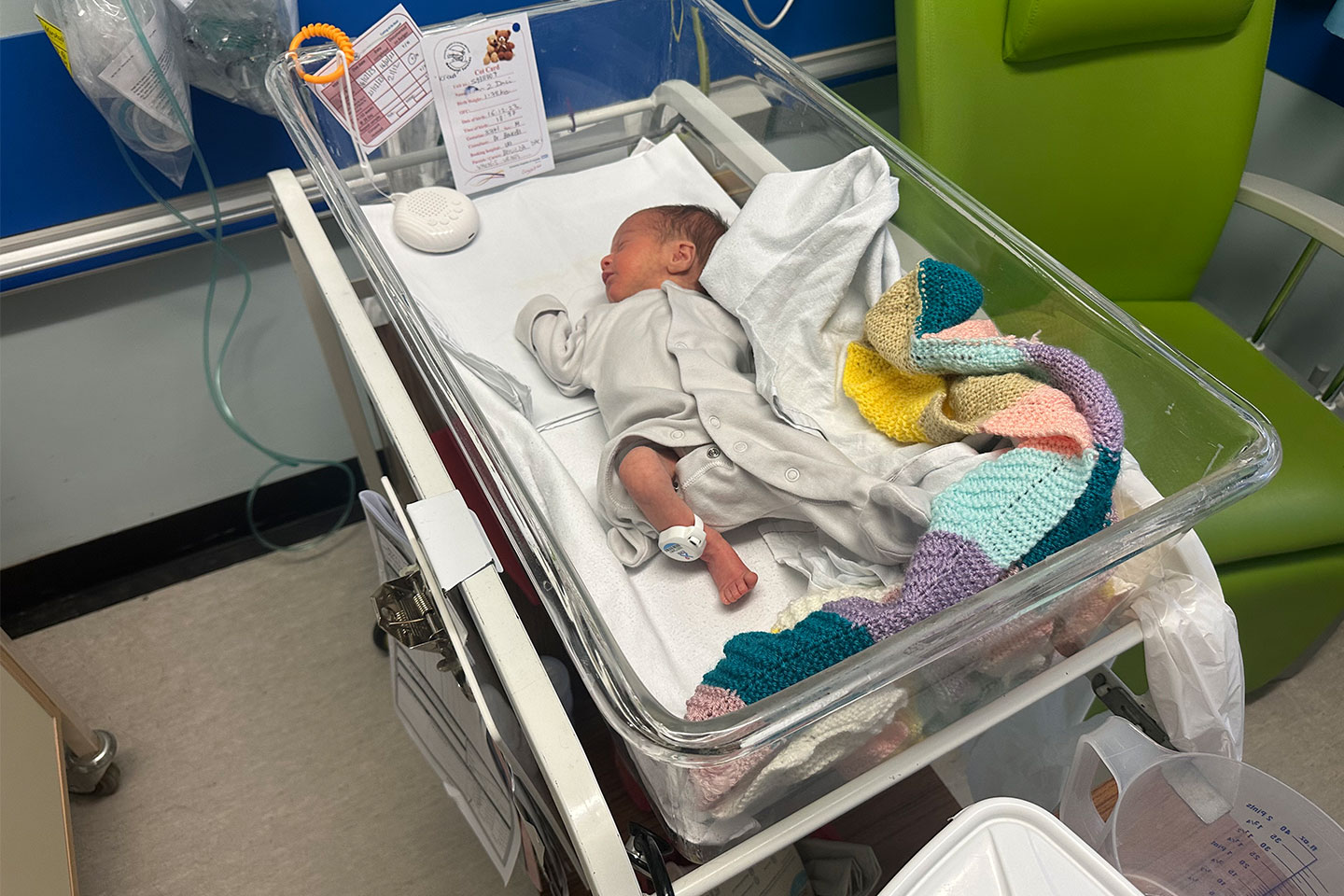
Baby tagging systems are designed to provide an additional layer of protection for newborn babies within maternity environments.
These systems typically:
As a result, many Trusts now view infant security technology as part of wider safeguarding and patient safety strategies.
The Department of Health's Health Building Note 09-02: Maternity Care Facilities states that electronic infant security systems should be considered alongside other security measures within maternity departments.
The guidance recommends a layered approach to security, including:
This demonstrates that infant security technology is recognised as part of good practice when designing and operating safe maternity environments.
While the Care Quality Commission does not mandate baby tagging systems, CQC inspections frequently examine:
Many Trusts have highlighted their infant security systems during inspections as evidence of proactive risk management and safeguarding.
Where maternity units have invested in electronic infant protection systems, they often demonstrate:
This can contribute positively to wider discussions around safety and governance.
Most NHS business cases focus heavily on risk.
Questions often include:
Infant security systems help reduce several risks, including:
The business case should not just focus on the prevention of abduction risks. Modern baby tagging systems can also deliver operational benefits, including:
This broader value proposition often helps justify investment.
Parents expect maternity services to provide safe and secure environments.
Many Trusts report that visible security measures can help reassure families during their hospital stay.
Baby tagging systems demonstrate that the organisation has invested in protecting newborns and supporting maternity staff.
Preparing a Baby Tagging System business case can be time-consuming for maternity teams and project leads.
To help simplify the process, Xtag Medical provides support to NHS Trusts during business case development.
Trusts can send their existing business case template directly to Xtag, and our team can assist by completing relevant sections relating to:
This allows maternity teams, estates departments, and procurement teams to build their business cases more efficiently while ensuring the information provided is accurate and relevant.
Once approval is obtained, Trusts may also require support with procurement.
Xtag can assist with:
Xtag systems can be procured through a number of framework options. For eligible projects, procurement routes such as CCS LVPS may provide a compliant and efficient route to purchase.
Building an NHS business case for infant security technology requires more than demonstrating the features of a system.
The strongest cases typically show:
As maternity services continue to focus on patient safety, many Trusts are recognising that infant security systems form an important part of a wider safeguarding strategy.
For organisations preparing a business case, specialist support from suppliers such as Xtag Medical can help streamline the process and ensure decision-makers have the information they need to make informed investments in maternity security.


.svg)

.svg)
.svg)


.svg)
