



.svg) Entrez en contact
Entrez en contactDes solutions
Tous droits réservés © 2025 Active Tagging Limited
Xtag Medical et les marques associées font partie d'Active Tagging Limited. Enregistré en Angleterre. Numéro d'enregistrement 6071636. Numéro de TVA 902605849.

Explore the 5 most common security oversights in NHS maternity wards and how to avoid them.
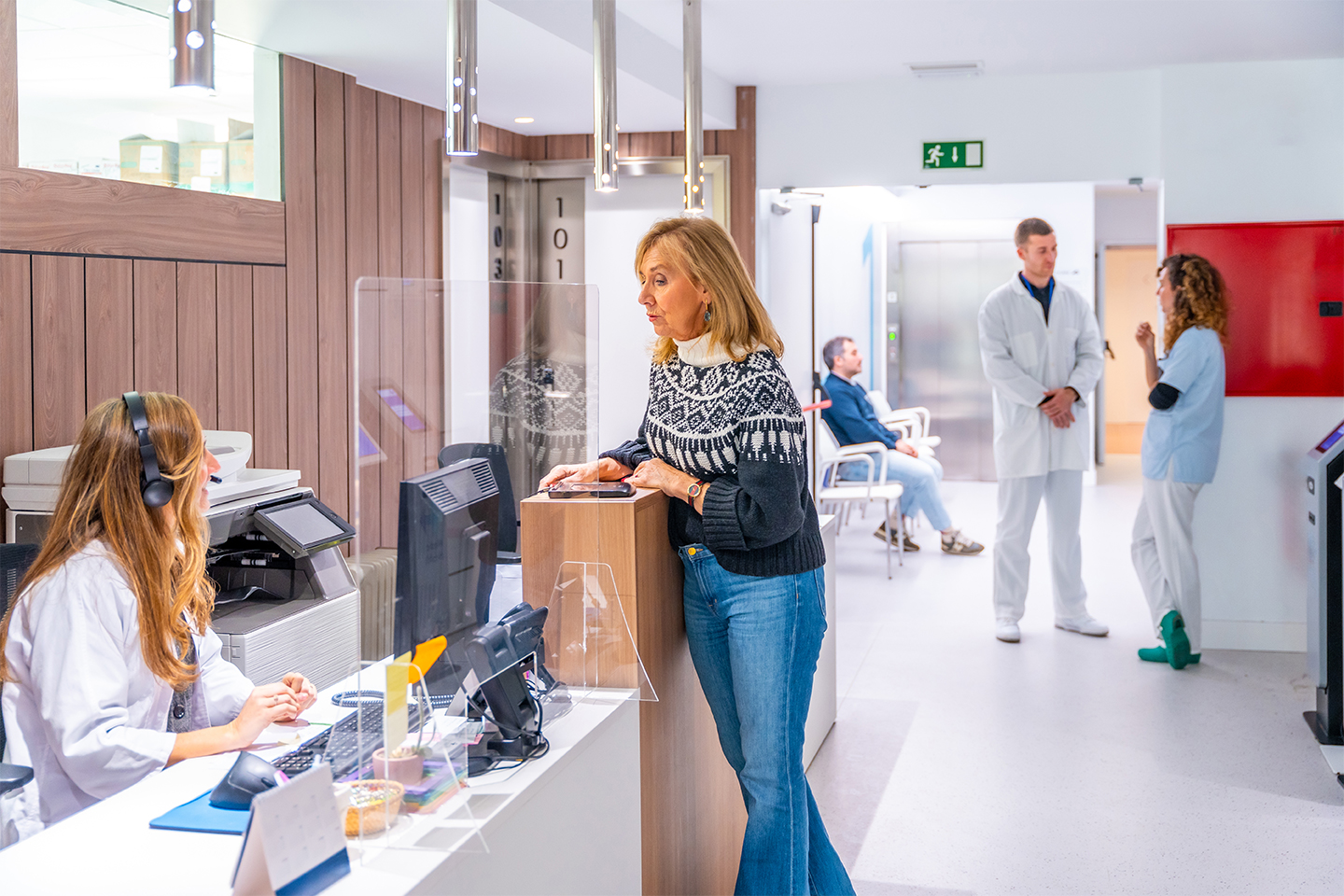
Creating a safe and secure maternity environment is a core responsibility for every NHS Trust. While newborn stranger abductions are rare in the UK, the rise in family-related abductions are rising and the Department of Health and Social Care (DHSC), and the Care Quality Commission (CQC) continues to emphasise the importance of robust maternity ward security, clear processes, and modern infant protection systems to minimise risk.
Yet even well-run maternity units can develop blind spots. Below are five of the most common security oversights seen across UK maternity services - and practical steps Trusts can take to address them.
One of the biggest risks to maternity ward safety is inconsistent access control. Multiple entrances, unsecured fire exits, or swipe-card doors regularly left open can create opportunities for unauthorised individuals to enter clinical areas.
Learn more about maternity access control best practice: Maternity Unit Design & Security: NHS Best Practices.
Manual baby ID processes can vary between midwives and shifts, causing inconsistencies and increasing the risk of mix-ups or vulnerabilities being missed.
Many hospitals now combine ID checks with infant security tagging systems to provide an extra safety layer.
NHS leadership often highlights delays in escalation as a major contributor to avoidable harm. In the context of maternity ward security, slow communication during suspicious events - or uncertainty over who should respond - can prolong risk.
This ensures that, if a baby is removed from the ward or approaches an exit, alerts reach the right staff instantly.
Staffing pressures mean midwives and support workers cannot always monitor access points or unfamiliar visitors. Reliance on manual checks alone can leave gaps, especially during high-activity periods.
Technology should support and streamline staff responsibilities, not add to them.
Some Trusts still use legacy infant protection systems that offer limited functionality, poor integration, or no remote reporting. These older systems can produce false alarms or gaps in monitoring, leading to clinical frustration and over-reliance on manual processes.
Modern systems like XTAG® Baby Tagging are designed for seamless integration and minimal operational burden, improving both safety and staff experience.
See how XTAG supports maternity safeguarding: XTAG® Baby Tagging System.
Security in maternity units is not just about preventing abduction - it’s about delivering a consistently safe environment that supports clinical workflows, reassures families, and aligns with NHS patient safety standards.
By addressing the five oversights above, Trusts can significantly improve the resilience of their maternity services.
Strengthening maternity security is not about replacing clinical skill - it's about empowering staff with the right tools, protocols, and support.
Xtag Medical offers complimentary maternity security assessments for NHS Trusts, helping you identify strengths, gaps, and opportunities for improvement.
Book a maternity security review: Contact Us.


.svg)

.svg)
.svg)


.svg)
